


Flooding caused most Iberian storm losses
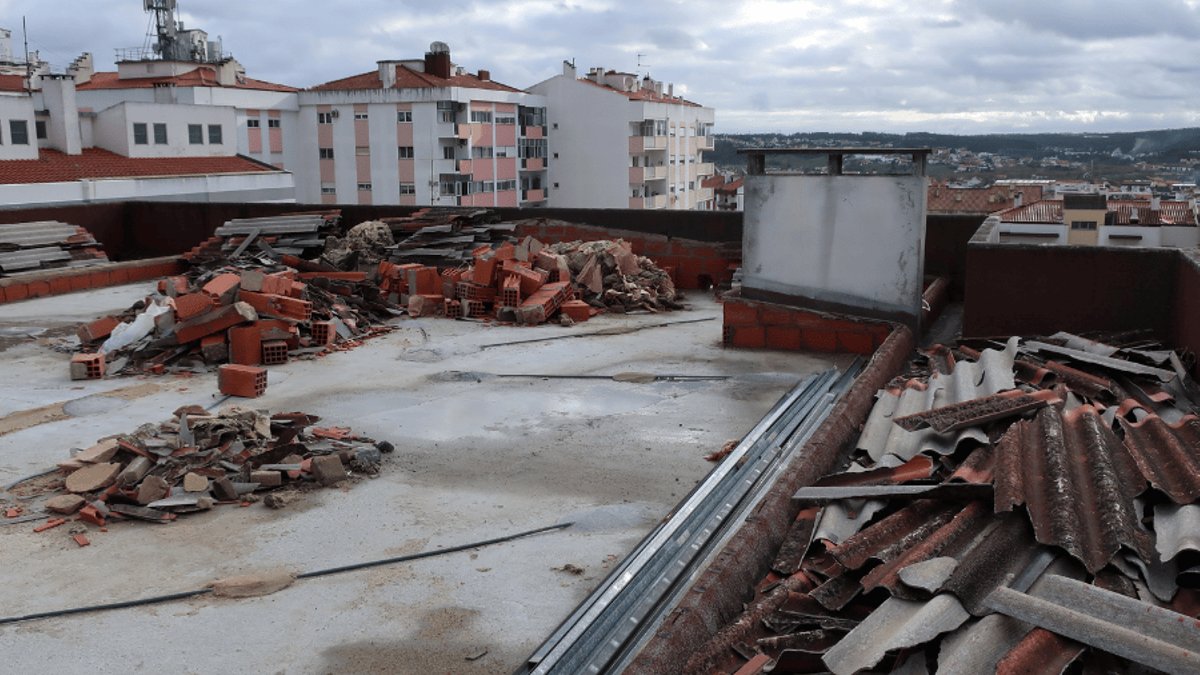
During the 2025-26 European windstorm campaign, 21 storms received names, a figure modestly lower than the usual average of about 22. Nonetheless, a cluster of seven systems affecting Spain and Portugal generated insured damages far exceeding what the simple storm tally would predict, according to a report from Marsh Re.
In the Iberian region, a large share of the insured impact stemmed from heavy rain and ensuing floods rather than from wind forces. “The 2025-26 European winter storm season was notable for its severity in Southern Europe with intense wind and rain,” noted Sandra Hansen, head of International Peril Advisory at Marsh Re. Hansen further explained that, while the number of storms is likely to keep fluctuating annually, a warming climate is expected to raise flood hazards, with flash flooding in particular demanding closer scrutiny as a component of storm-related danger.
Storm-Related Losses
Storm Kristin, which battered Spain and Portugal between 28 and 31 January 2026, produced an estimated €1.727 billion in insured losses, the highest single-event amount identified in the study. Storm Ulrike/Nils accounted for €695 million of French losses from 11 to 13 February, while Storm Elli/Goretti caused €468 million in damages across France, Belgium and the United Kingdom on 8 – 9 January.
The remaining monitored systems—including Gabrielle, Detlef/Amy, Helmut/Bram, Leonardo, Marta, Oriana, Yael/Pedro and Rapunzel/Dave—either incurred losses under €200 million or lacked sufficient data for assessment.
Geography and Peril Mix
A jet stream displaced toward the south, together with atmospheric rivers and repeated intense precipitation, generated widespread flooding in Spain, Portugal and sections of France. The North Atlantic Oscillation also played a role during the period, yet Marsh Re concluded that this factor alone could not fully account for the sustained storm activity over southern Europe.
According to the analysis, roughly 19% of storms historically occurred south of the 47° N latitude line during negative NAO phases, versus 11% in positive phases. In the 2025-26 season those proportions shifted to 12% and 20% respectively, a reversal of the typical NAO-storm-frequency relationship. Northern Europe experienced slightly fewer storms than its long-term mean of 19.3, with 18 systems reaching peak gusts in that area, while the southern region recorded three events, about 14% of the total, close to its historic average of 3.2.
Related Post: Midwest storms could become Aon’s top ten loss
Given the detailed interaction of location, hazard types and climate trends, the region is likely to continue seeing sizable losses even when overall storm counts remain near normal. Moreover, Spain’s public reinsurer, the Consorcio, only triggers coverage when wind speeds surpass 120 km/h, showing the necessity for more subtle risk evaluations.
Renewal Pressure and Season Losses
The disparity between losses and premiums in Portugal emerged as the report’s most commercially relevant insight for reinsurance intermediaries and their clients. Marsh Re projected that reinsurer payouts for the series of storms could total between €1.1 billion and €1.2 billion in Portugal, against roughly €250 million of premium income from all non-life contracts.
Luzi Hitz, product manager at PERILS, remarked that it is fairly safe to declare the 2025-26 season concluded, describing the overall impact as relatively modest because only Goretti and Nils breached the firm’s €300 million single-country loss ceiling or the €500 million Europe-wide threshold. Hitz pointed out that recent history records far more severe European windstorm periods, citing the 2023-24 campaign’s Storm Ciaran, which generated €2.067 billion in insured losses, and the 2021-22 trio of Dudley, Eunice and Franklin, together producing €3.851 billion.
Marsh Re ultimately concluded that the 2025-26 cycle does not indicate a fundamental shift in European windstorm behaviour; rather, it highlights how regional clustering and multi-hazard combinations can create substantial losses even in an otherwise average year. The firm expects natural variability to keep shaping short- to medium-term windstorm activity, while amplified rainfall and flood-related damages are likely to grow in importance as the climate warms. In addition, Marsh Re plans to launch its GCAT Portugal Flood Model, built on data representing roughly 67% of market share, alongside GCAT Iberian Windstorm and Severe Convective Storm models in early 2027, delivering refined assessments of wind, severe convective events and flooding across Spain and Portugal.
The noted gap between Portuguese reinsurer losses and earned premiums could increase pressure on upcoming renewal talks, especially after a series of profitable years for reinsurers since Storm Lesley in 2018. For brokers handling Iberian property or catastrophe exposure, the combination of an unfavourable loss-to-premium ratio in Portugal and the imminent arrival of enhanced flood and windstorm modelling tools makes this renewal window one where data-driven dialogue with markets will carry greater significance than usual. Hitz’s reflections on past severe seasons, such as the 2023-24 Storm Ciaran and the 2021-22 Dudley-Eunice-Franklin series, reinforce the potential for large-scale losses in the area and show the importance of careful consideration during renewal negotiations.


