


Midwest storms could become Aon’s top ten loss
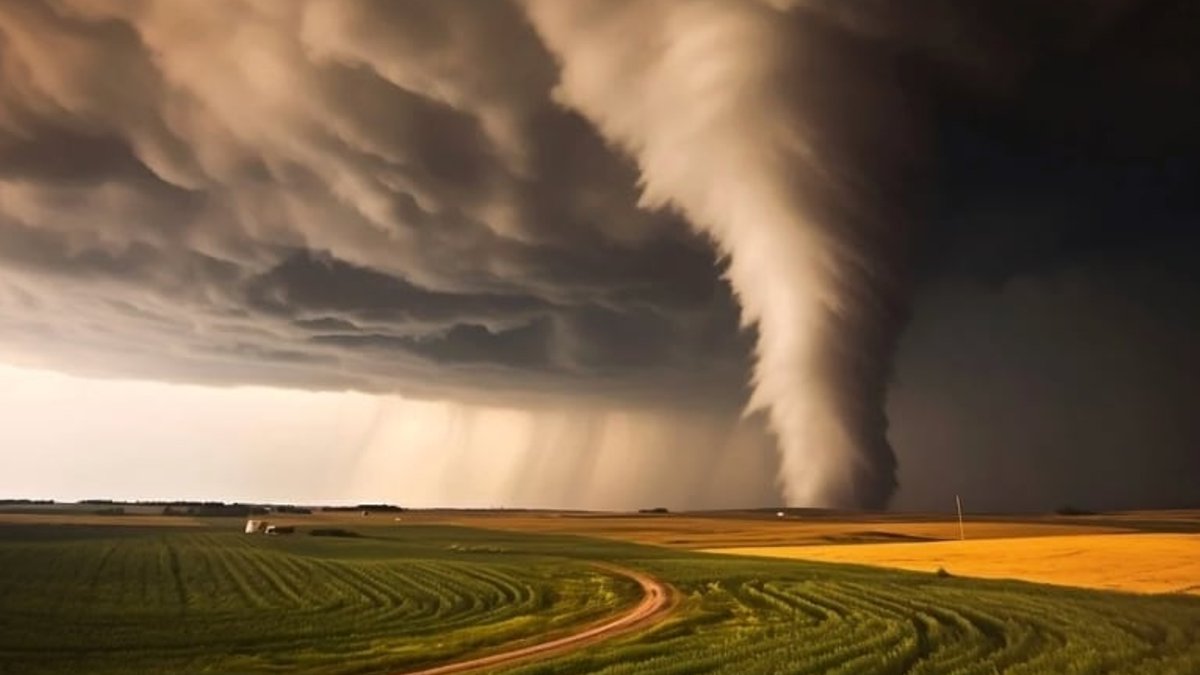
Severe convective storms that swept across the U.S. Midwest on July 27‑28, 2026, could become one of the most costly weather events for the insurance industry, with estimated losses topping $5 billion.
Storms batter Wisconsin and Illinois with wind, hail and tornadoes
The outbreak began on July 27, when supercell thunderstorms rolled through eastern Wisconsin and northern Illinois. Appleton and Menasha in the Fox Cities region of Wisconsin suffered the most visible damage after an EF‑3 tornado touched down.
The National Weather Service later classified the tornado’s peak winds at 140 mph (225 km/h), destroying homes and businesses along its path.
In the Chicago metro area, the same line of storms produced wind gusts comparable to a Category 1 hurricane and hail up to three inches in diameter. The agency reported extensive property and infrastructure damage, with hundreds of thousands of power customers left without electricity. Heavy rain also caused localized flooding in several neighborhoods.
On July 28, the system migrated eastward, bringing large hail, damaging winds and additional tornadoes to the Mid‑Atlantic states. While the most severe impacts remained in the Midwest, the broader swath of the storm complex left a trail of damage across multiple jurisdictions.
Related: Data centers need mixed risk protection strategies
Insurance market braces for billions in claims
A weekly catastrophe report from broker Aon estimated the total insured loss to fall in the “low‑to‑mid single‑digit billions of USD.” The firm noted that to rank among the top‑10 costliest U.S. severe weather events, the loss would need to exceed $4.9 billion, the benchmark set by a March 2024 storm.
Aon’s analysis highlighted three‑inch hail as a widespread feature of the outbreak, while supercell storms in Wisconsin and Illinois generated the intense wind and tornado activity. The document added that extensive property and infrastructure damage, as well as hundreds of thousands of power outages, contributed to the high loss estimate.
Reinsurance carriers could see significant exposure, as the loss magnitude may trigger aggregate deductible erosion and affect catastrophe bonds that provide excess coverage to primary insurers. The potential loss could reach that level, tapping reinsurance capital and reshaping risk assessments for future Midwest storms.
Historically, the insurance industry has struggled to fully price the volatility of severe convective storms, which can produce localized but extreme damage. This event’s scale, comparable to past high‑impact tornado outbreaks, may prompt insurers to revisit underwriting standards in high‑risk corridors.
While the immediate focus remains on recovery, the broader financial implications could influence premium pricing and risk‑transfer strategies for years to come. The next few weeks will likely reveal the final insured loss figure as claims are processed and adjusters complete their assessments.

Data centers need mixed risk protection strategies


