


Industry Leaders Discuss Wild West of Commercial Combined
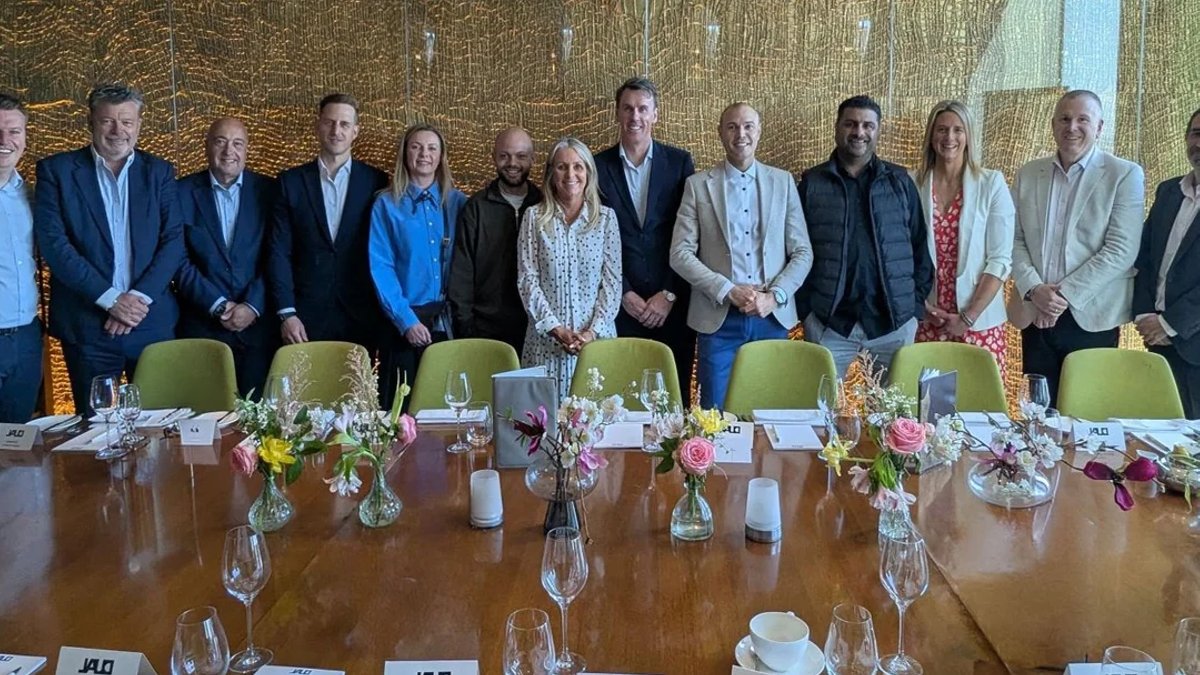
Brokers warned that the allure of falling premiums could mask a deeper volatility, noting that insurers’ appetite is uneven and service quality remains spotty, which may culminate in a painful correction for the market. The roundtable in Manchester, organised with DUAL, gathered senior figures from across the broking setting to dissect the shifting trends of the UK SME commercial combined sector, a line of business that underpins much of their revenue.
Malcolm Cooke painted a vivid picture of the current climate, likening it to the Wild West where smaller risks are elusive while larger accounts attract a swarm of underwriters. John Batty added that the influx of new, London‑centric insurers into the North West at the start of 2025 has intensified competition, forcing legacy carriers to adjust their pricing strategies and extend their reach further south. This influx has not only altered the geographic balance of risk appetite but also heightened the scramble for seasoned underwriting talent, a scarcity highlighted by Moira Spencer, who explained that the battle for experienced staff is fierce as firms vie to meet internal targets.
Clare Leigh described the insurers’ response as “throwing the kitchen sink” at risks, a metaphor that captures the breadth of concessions being offered to secure business. Yet, despite the aggressive pricing, underwriters continue to apply the rigor of a hard market, probing every line of the schedule for detail. Matt Stuttard observed that many insurers have yet to fully adopt the softer market reality, urging greater flexibility on rates to match the evolving environment.
The conversation turned to the sustainability of this rapid expansion. Bally Singh warned that the current surge could lead to “books getting burnt,” triggering a correction that might overshoot and destabilise the market further. He emphasized that clients need continuity; a sudden shift in an insurer’s appetite could leave a risk un‑covered after a short period, undermining the stability that businesses rely on. This sentiment was echoed by Stuttard, who stressed that abrupt changes in appetite can erode the hard-won trust that brokers have cultivated with their clients.
Related: Adler Fairways Acquires Mason Owen Financial
Service quality, especially around electronic trading (etrade), emerged as a persistent pain point. Batty pointed out th
Discussion of managing general agents (MGAs) revealed a mixed picture. Batty pointed out that MGAs have faced claim‑service challenges because they depend on insurer capacity, leading to stricter claims handling to preserve that capacity. However, Stuttard recalled that during the height of the pandemic, MGAs distinguished themselves by offering responsive service and rapid phone support, a contrast to the current environment where underwriting rules are being pushed to their limits, making differentiation harder.
Despite the turbulence, the roundtable identified strategic opportunities arising from the softer market. James Baskeyfield argued that the heightened appetite enables brokers to negotiate better cover terms, moving away from the practice of shopping 20 insurers for a single risk. Cooke reinforced this by stating that focusing on a narrower panel saves time and allows for more meaningful negotiations on conditions that were previously restrictive. Evans added that lower premiums create space to upsell ancillary cover such as management liability or cyber, thereby enhancing the overall value proposition for clients.
When asked what an ideal market would look like, Leigh called for a return to direct phone communication rather than reliance on email, while Stuttard advocated for greater underwriting autonomy during those conversations. Cooke reiterated the importance of clarity on each carrier’s appetite to avoid unnecessary outreach. Evans concluded that MGAs can carve out a niche by spotting slightly unconventional risks and offering a personal touch that larger insurers may lack, thereby providing brokers with a compelling reason to engage them.

Adler Fairways Acquires Mason Owen Financial


