


India boosts farm output with new technology
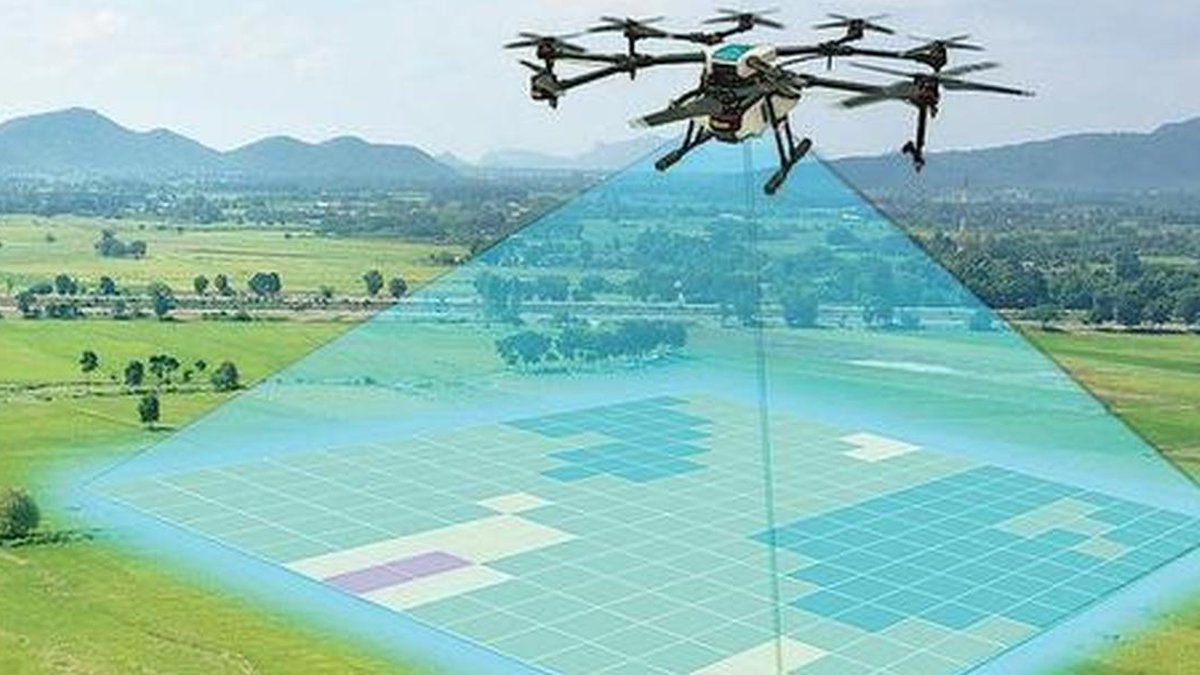
India has produced hundreds of agritech startups over the past decade, attracted more than two billion dollars in venture capital, and still cannot point to a definitive pure-play agritech unicorn in the field.
The gap between investor enthusiasm and commercial outcomes is not a failure of technology, but rather a deeper reality: technology investments have frequently overlooked the most critical bottlenecks in the agricultural value chain.
Agriculture and the Indian economy
Agriculture and allied sector supports 46.1 per cent of the population and contributes around 16 per cent to the GDP.
The rise of agritech in India followed a familiar and logical trajectory, with early efforts focusing on advisory services, weather data, and market information delivered through mobile platforms.
As the ecosystem matured, investors moved into a more ambitious phase, backing platforms that sought to connect farmers directly with inputs, procurement, logistics, and financial services.
Challenges in farmer adoption
However, farmer adoption never kept pace with the capital invested, and the challenge became more visible when technology required farmers to pay upfront, change established habits, or trust algorithmic recommendations over years of field experience.
A smallholder farmer operating on thin, unpredictable margins simply asked: if the monsoon fails or prices plummet, who bears the loss?
Most agritech solutions have yet to convincingly answer that question, and this challenge is global, but India’s scale and fragmentation make it particularly acute.
Trust in rural India continues to reside primarily with local input dealers, progressive farmers, FPOs, co-operatives, and village networks.
The agricultural middle stream
None of this means that technology has failed agriculture, but rather that direct-to-farmer software was never the most natural entry point.
Related: 2026: The investor reality-check that Tech can’t ignore
From an investment perspective, the more durable opportunity lies in what can be called the agricultural middle stream – the critical layer between farm gate and the end user market.
This includes differentiated procurement platforms with supply chain control, FPC/FPOs, innovations in grading and quality assessment, storage and logistics infrastructure, energy-efficient cold chains, and post-harvest solutions.
Technology embedded within these existing relationships tends to succeed more often than technology that attempts to create an entirely new relationship from scratch.
Traceability systems, embedded credit scoring, digital quality assessment, warehouse intelligence, and market linkage platforms that operate through existing aggregators, digitised Primary Agricultural Credit Societies (PACS), co-operatives, or farmer organizations exemplify this approach.
In such models, the technology does the heavy lifting of connecting local supply to broader markets, and farmers continue doing what they already do.
Further, better grading, traceability, and storage infrastructure tend to translate up directly and reliably in the price a farmer receives.
When positioned appropriately within the value chain, technology can expand a farmer’s judgement into broader economic opportunities, such as farm financial resilience amid climate risk.
This ambition may appear less disruptive than the grand visions that defined agritech a decade ago, yet it is likely to be far more realistic and sustainable.
The next phase of Indian agritech is likely to be shaped by making the agricultural systems they already depend on more intelligent, connected, resilient, and economically productive.

Rethinking Farm Financial Resilience Amid Climate Risk


