


Rethinking Farm Financial Resilience Amid Climate Risk
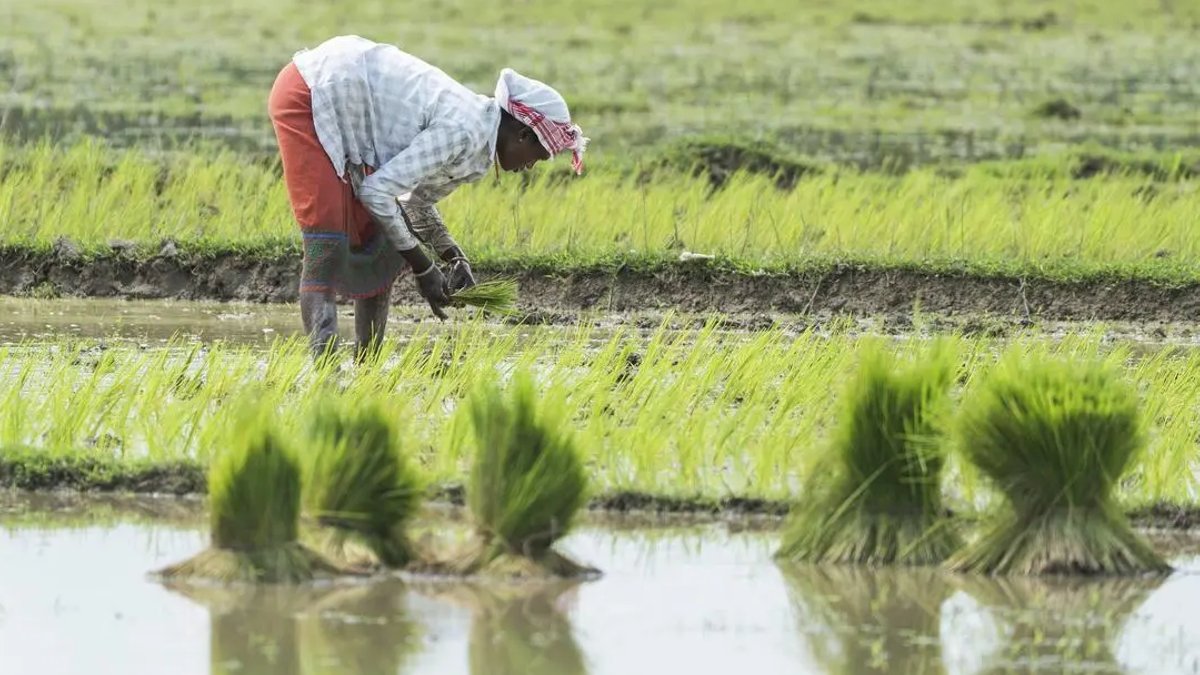
Rural households in India are facing a financial crisis as climate change reshapes the way farmers earn and borrow, creating a mismatch between credit availability and the reality of their livelihoods. The southwest monsoon has progressed across the country, yet rainfall remains uneven in several regions, directly impacting the kharif sowing season. El Niño is among the weather factors that can influence monsoon rains, though its effects vary by region and other climatic conditions. For farmers, the immediate concern is uncertainty. When rains are delayed or erratic after sowing begins, already stretched household cash flows come under additional pressure.
Uneven rainfall stalls crop progress
As of early July, kharif sowing stood around 20 per cent below last year’s pace. Oilseeds were down 21%, while cotton and pulses saw declines of over 20 per cent. Although the gap narrowed during the first half of the month, recovery at the national level can mask sustained stress at the regional and district levels. East and Northeast India continued to record a 37 per cent deficit, with forecasts pointing to further dry spells across central and southern India.
Delayed rains, uneven rainfall or prolonged dry spells often force small farmers to re-sow or change crops, spending more on irrigation. These additional costs increase the financial burden on households, making it harder to manage daily expenses and meet loan repayments.
Related: Sensex dips 300 points as Nifty nears 23,800
Access is not the only issue
Agriculture may not be every rural household’s only source of income, but it often remains the principal one. A weak monsoon affects not only farm output but also spending on food, healthcare, education and the next cultivation cycle. It can also push households towards higher-cost informal borrowing simply to manage existing financial obligations.
This places greater emphasis on how rural finance is designed. The issue is no longer just access to credit, but access to credit that reflects the realities of rural livelihoods. Lending decisions must consider local harvest cycles, weather conditions, seasonal expenses and the fact that many households depend on multiple income sources rather than farming alone.
Local conditions matter just as much. An irrigated farmer faces different risks from one who relies entirely on rainfall. Likewise, households with diversified livelihoods through livestock, wage labour or small enterprises are often better placed to withstand climate shocks than those dependent on a single crop. Irrigation coverage varies widely across regions, from below 20% in tribal and dryland belts to above 80–90% in well-irrigated plains districts, making it a strong indicator of repayment capacity. Such insights can help lenders structure more suitable products and anticipate periods of financial stress.
During weather-related disruptions, timely finance becomes essential. If farmers need to re-sow or invest in irrigation, quick access to formal credit can help protect the cultivation cycle. Repayment schedules that reflect seasonal income patterns are equally important, preventing temporary disruptions from becoming long-term debt problems.
Related: Rokstone appoints senior leaders to agri and SME units
While lenders attempt to adjust to these shifting patterns, the gap between standard banking products and the volatile nature of farm income often remains wide. A rigid loan structure might look safe on paper, but it struggles when a season’s harvest is compromised before it begins. The result is a cycle where borrowers are forced to refinance or seek informal lenders, often at much higher interest rates, simply to survive the lean months.
Building resilience beyond credit
Financial inclusion must, therefore, move beyond expanding access towards improving financial health and reducing dependence on expensive informal finance. Credit alone cannot create financial resilience. Rural households also need savings to manage lean periods, insurance that provides timely protection against climate-related risks, and long-term savings and pension products that strengthen financial security beyond seasonal earnings.
Climate uncertainty is now part of rural life. Farmers need finance that not only funds the next crop cycle but also helps them manage the uncertainty surrounding it.

Sensex dips 300 points as Nifty nears 23,800


