


Strong quake hits southern Japan no tsunami
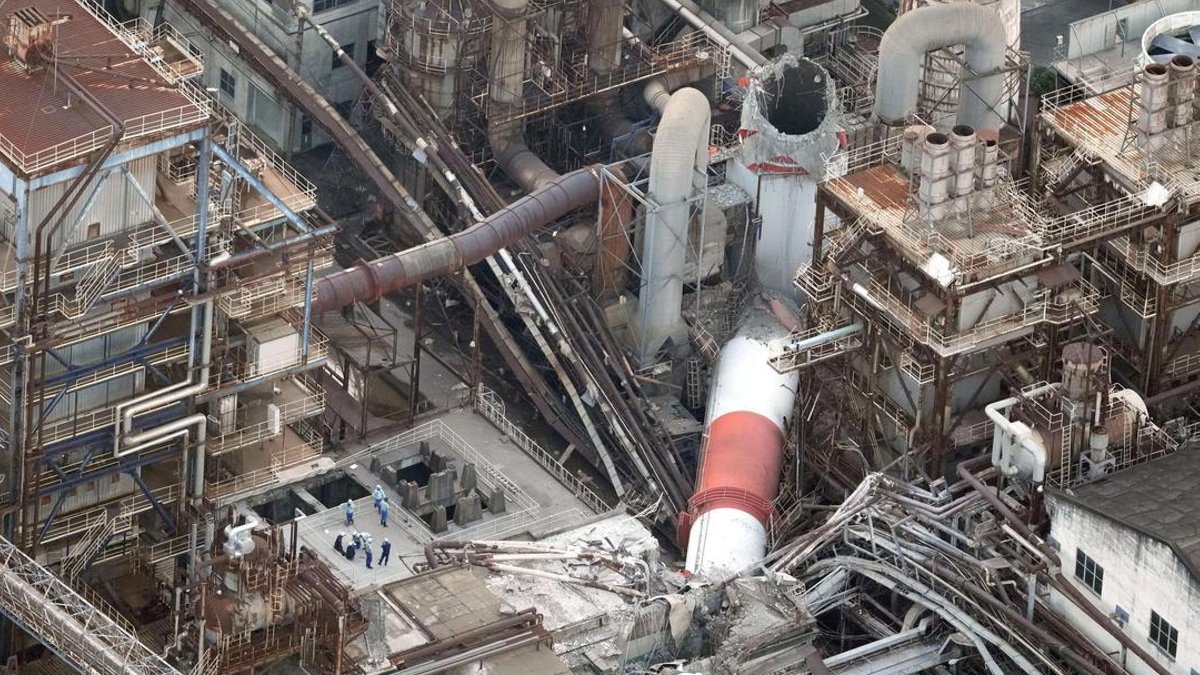
A magnitude 7.1 earthquake hit southern Japan’s Kumamoto prefecture late Tuesday afternoon, damaging buildings, injuring people, and disrupting services across Kyushu island. Authorities confirmed no tsunami risk, but aftershocks and damage assessments kept rescue teams active.
The Japan Meteorological Agency initially recorded the quake at 7.1 before revising it to 6.8. The epicenter sat about 900 kilometers southwest of Tokyo, near a region still recovering from a 2016 quake that killed over 50 people.
Collapsed buildings and trapped residents
The second floor of Aeon Mall in Kashima Town collapsed, trapping an unknown number of people. Firefighters arrived quickly, though the Fire and Disaster Management Agency did not share details on injuries or rescue efforts. An explosion reportedly preceded the collapse, but the cause was not confirmed.
Related: Tata Power starts Odisha wafer plant project
A hospital in Yatsushiro city treated about 40 injured patients. A train derailed at the city’s station, tipping onto its side. Stone walls at Kumamoto Castle cracked, and small fires broke out in residential areas. Prime Minister Sanae Takaichi advised residents to stay away from open flames and broken glass after reports of power outages and structural damage.
Emergency calls flooded local fire departments, though officials said no critical public infrastructure had failed. A tsunami advisory for the Ariake and Yatsushiro Seas was canceled within two hours, as the quake’s inland location prevented dangerous waves.
Aftershocks and lingering fears
Shinji Kiyomoto, a planning officer with the meteorological agency, warned residents to stay alert for the next two to three days due to increased seismic activity. “This was a shallow earthquake,” he said, “and aftershocks will likely continue.”
The shaking brought back memories of the 2016 disaster. Hiroki Shimoda, an official in Mifune town, saw rooftiles crash to the ground. “It felt like the Kumamoto quake all over again,” he said. “I was scared.” A Shinto priest in Mashiki reported fallen stone lanterns but said the shrine’s main hall remained intact.
Related: Pharmacy in Indonesia Big Data Analytics
The Nuclear Regulation Authority found no issues at three nearby nuclear plants. Transportation suffered immediate setbacks: Shinkansen bullet trains and local rail services halted for safety checks, and Aso Kumamoto Airport closed its runway. The Defense Ministry sent aircraft to assess damage in the hardest-hit areas.
The region has struggled to rebuild since past earthquakes. In 2016, tremors destroyed homes, displaced thousands, and left lasting damage. While Tuesday’s quake caused less destruction, officials stressed caution, as aftershocks could further weaken already damaged structures.
Takaichi stated that saving lives was the government’s top priority. “We are collecting information quickly,” she said, “and ready to launch rescue operations if needed.”

Tata Power starts Odisha wafer plant project


